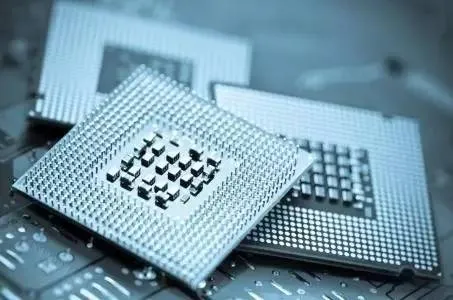
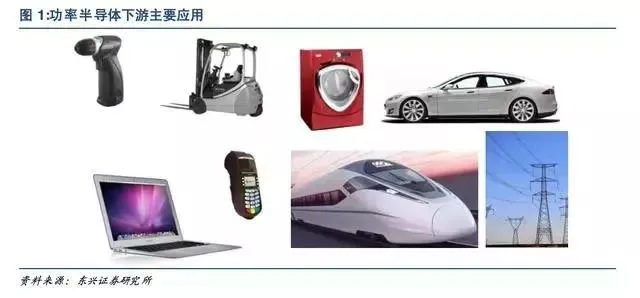
In the semiconductor industry, the output value of power semiconductors is USD 18-20 billion. Power semiconductors are upstream core components for system applications such as China's automotive industry, high-speed rail, air conditioners and washing machines, and power grid transmission, and their strategic position is prominent.
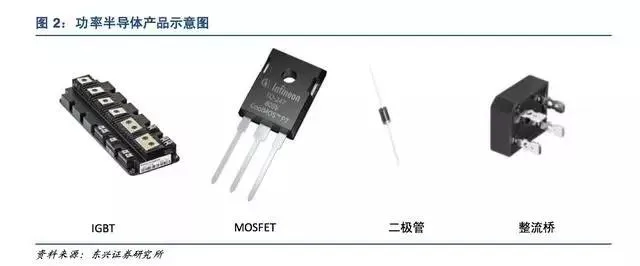
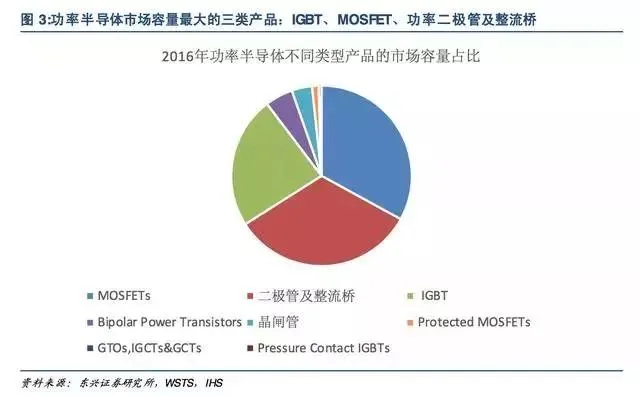
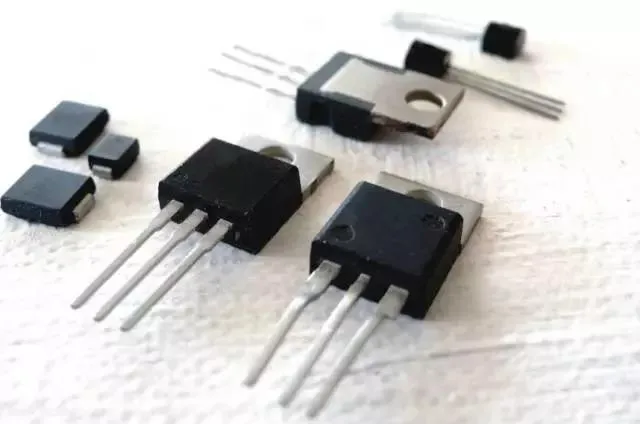
Power semiconductor product forms are diverse, and almost all products related to electric power and energy need to use power semiconductor devices. On the basis of annual output value contribution, IGBT, MOSFET, diodes and rectifier bridges are the three main product categories of power semiconductors, occupying about 80% of the power semiconductor market.
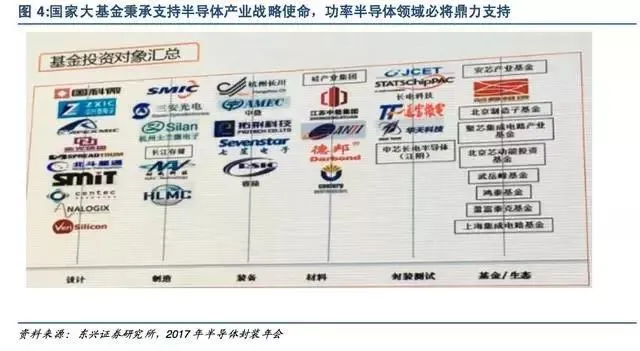
The National Big Fund upholds the strategic mission of supporting the semiconductor industry, and it will certainly fully support the power semiconductor field. The National Integrated Circuit Big Fund bears the historical mission of supporting the development of the semiconductor industry.
Power semiconductors are a large segment of the semiconductor industry with an output value of up to USD 20 billion, and are core components that determine whether fields such as high-speed rail power systems, automotive power systems, and consumer and communication electronic systems can achieve independent controllability. Power semiconductors have a prominent strategic position, and the National Big Fund will certainly give full support.
Reviewing the investment history of the National Big Fund over the past 3 years, concentrated investment in leading enterprises in industry segments has been the consistent investment strategy of the Big Fund.
We believe that with the assistance of capital, China's leading power semiconductor enterprises will accelerate the integration of high-quality overseas resources and accelerate the process of advancing into the mid-to-high-end market.
Industry landscape analysis: the high-end market is controlled by Europe, the United States and Japan, while mainland manufacturers have gained a firm foothold in the mid-to-low-end market
IGBT industry landscape
Global power semiconductor giants are mainly concentrated in three regions: the United States, Europe and Japan. Manufacturers in mainland China and Taiwan are mainly concentrated in low-end power device fields such as diodes, thyristors and low-voltage MOSFETs, while high-end devices such as IGBTs and medium- and high-voltage MOSFETs are mainly occupied by manufacturers from Europe, the United States and Japan.
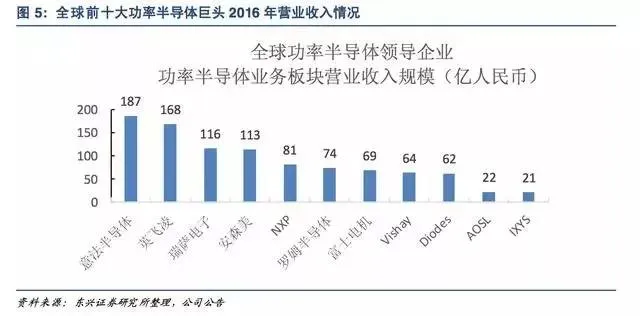
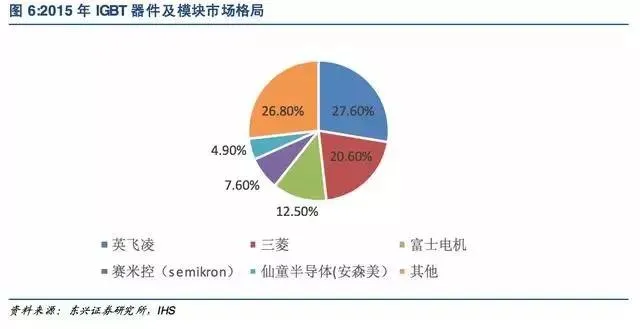
Global sales of IGBT devices and modules in 2015 were USD 3.944 billion. Germany's Infineon and Semikron, Japan's Mitsubishi and Fuji Electric, and the United States' Fairchild Semiconductor basically controlled the global IGBT market, with the top five manufacturers occupying 73.2% of the market share.
MOSFET industry landscape
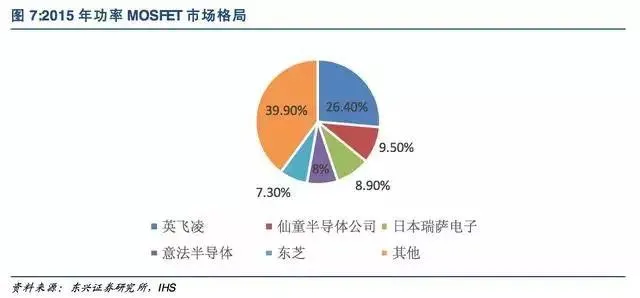
In 2015, the output value of the power MOSFET market reached USD 5.484 billion. Manufacturers such as Infineon, Fairchild Semiconductor, Japan's Renesas Electronics, Europe's STMicroelectronics, and Japan's Toshiba occupied the vast majority of the market share, with the combined market share of the top five manufacturers reaching 60.1%.
Diode industry landscape
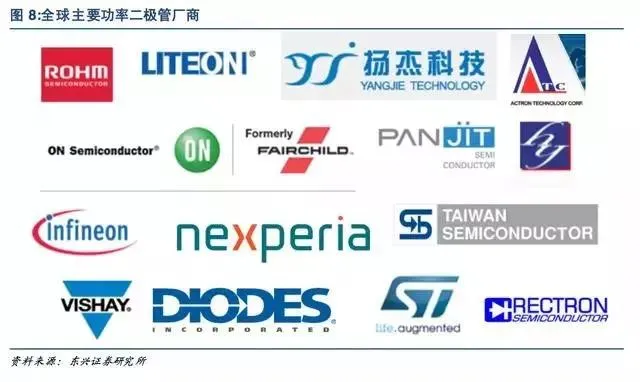
According to data from the World Semiconductor Trade Organization, the global market capacity of power diodes and rectifier bridges is about RMB 36.8 billion. The IGBT and MOSFET markets are relatively concentrated, while the market landscape of the power diode and rectifier bridge industry is relatively fragmented; moving from fragmentation to concentration is the general trend.
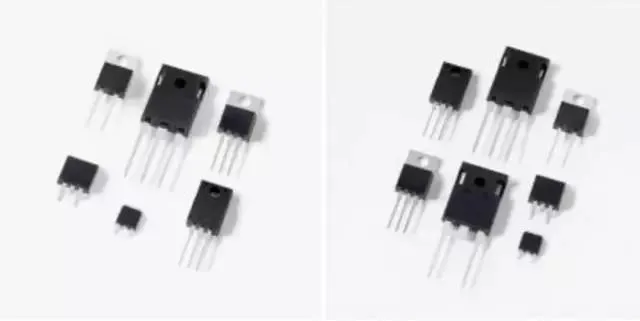
The chip manufacturing segment of diodes and rectifier bridges has obvious economies of scale. We believe that after leading enterprises expand in scale, they will squeeze out the living space of small manufacturers and achieve higher industry market share and concentration.
Industry trend one: supply and demand for power devices are tight, and the industry enters an unprecedented boom cycle
The entire semiconductor industry chain enters a boom cycle
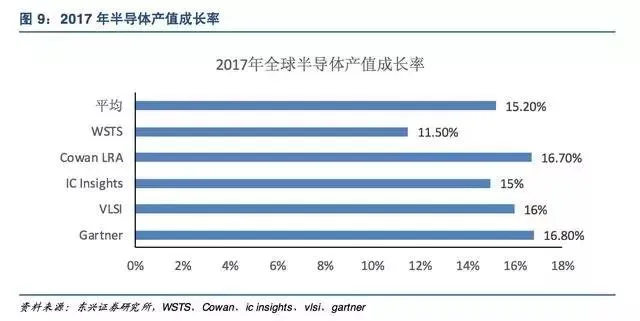
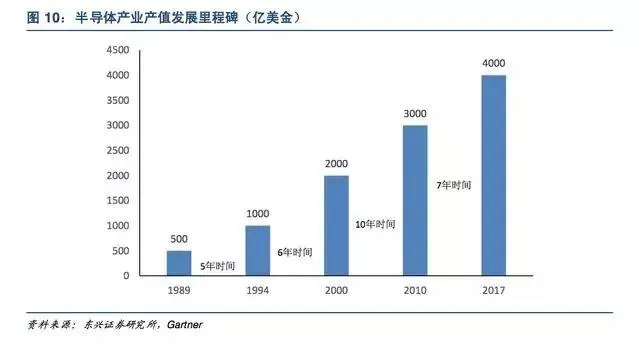
This year, the semiconductor industry has shown a boom across the entire industry chain. From upstream equipment and materials, midstream chip manufacturing, to terminal chip and device finished products, order volumes have all shown growth rates far exceeding previous years.
Gartner predicts that global semiconductor output value this year will reach USD 401.4 billion, with output value breaking the USD 400 billion mark for the first time.
MOSFET takes the lead in raising prices, sounding the rallying call for the power device price cycle
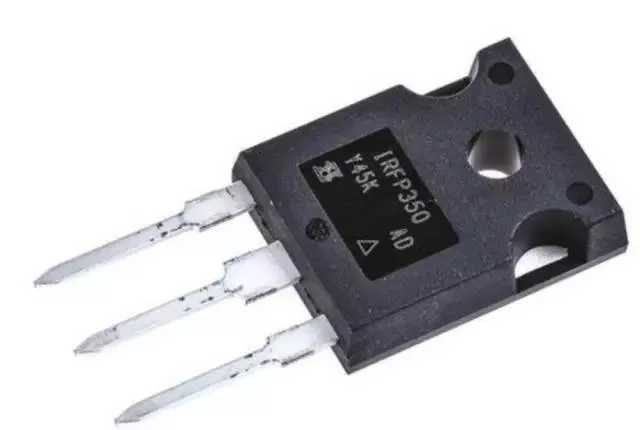
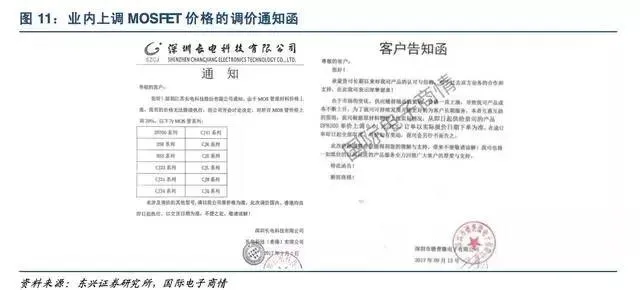
In September this year, a major domestic MOSFET manufacturer took the lead in raising prices. JCET raised the prices of all its MOSFET products by 20% across the board, and Shenzhen Depu Microelectronics subsequently raised MOSFET product prices. This round of price increases mainly has two reasons.
First, this year the price of silicon wafers, an upstream semiconductor material, rose, causing downstream chip costs to rise, and device manufacturers had to raise prices to maintain profits.
Second, the volume of power devices used in automobiles rose significantly, and overall market demand for power devices exceeded expectations, creating a supply-demand gap.
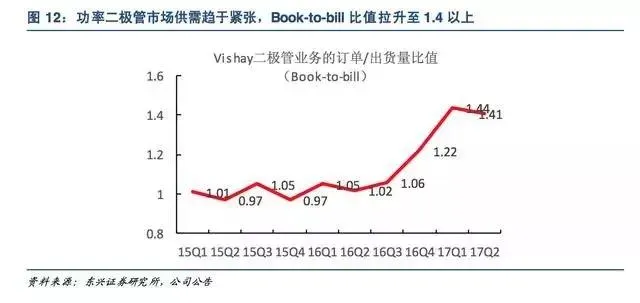
The book-to-bill ratio of diodes and rectifier bridges rose to a historical peak, and delivery times were significantly extended
Supply in the power diode market is tight, and delivery times of industry leaders have been significantly extended.
Starting from the second quarter of this year, Visahy's order volume surged, with the book-to-bill ratio reaching 1.22; in the third quarter, Vishay's book-to-bill ratio further climbed to 1.44, and the mid-to-high-end diode market entered an unprecedented boom cycle.
At present, the diode delivery time of industry leader Vishay in the second quarter of this year has been extended to 5.8 months, far higher than the normal delivery time of about 2 months.
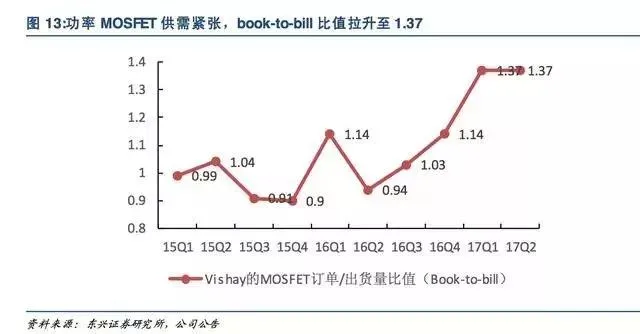
Industry giant's chip capacity adjustment further widens the supply-demand gap
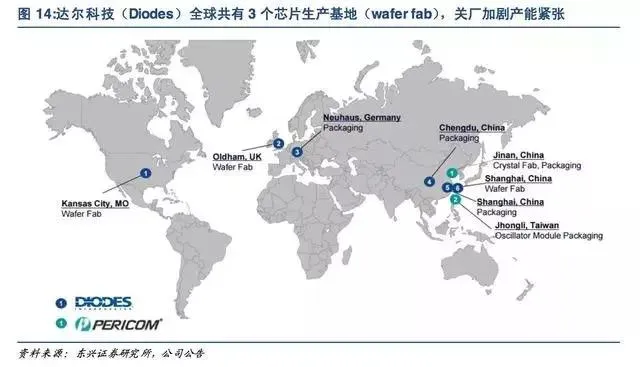
Diodes, a giant in the diode industry, closed its US chip manufacturing plant Kfab in the third quarter of this year, and the required chip gap will be obtained through outsourcing; the giant's capacity adjustment further widened the supply-demand gap.
Industry trend two: under the electrification trend, the volume of automotive power devices doubles
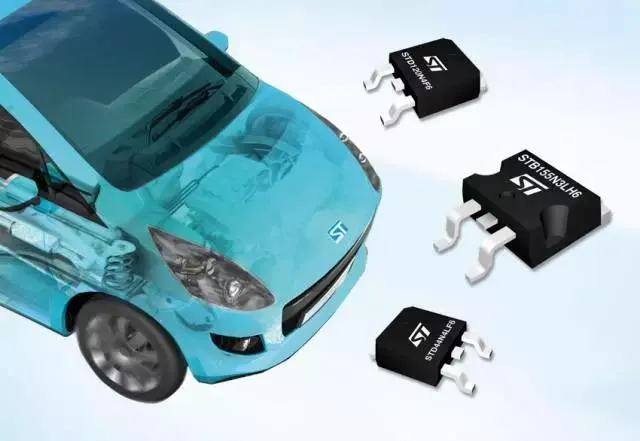
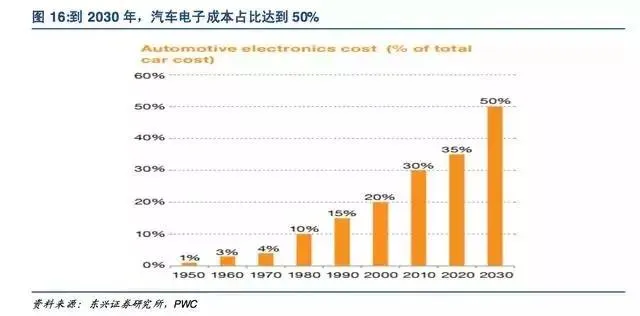
Automotive power semiconductor ASP doubles
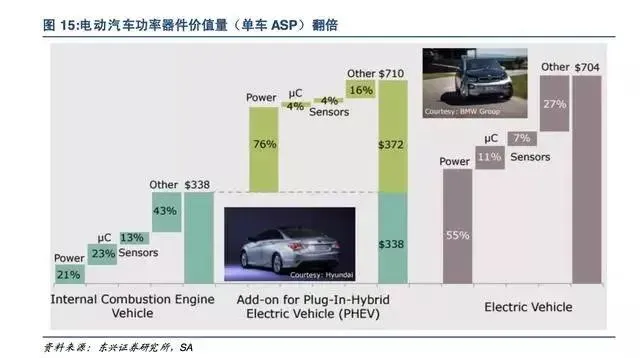
Under the electrification trend, automotive semiconductor usage grows by more than double. According to strategicanalysis data, the semiconductor usage of a traditional fuel vehicle is USD 338 per vehicle, and the semiconductor usage of an electric vehicle reaches USD 704, an increase of 108%. The additional semiconductor usage in electric vehicles is concentrated in power device products, and a single vehicle will add USD 282 of power device usage.
The proportion of power devices in the semiconductor usage of a single vehicle rises from 21% for gasoline vehicles to 55% for electric vehicles.
Increment one: motor control systems add a large number of power device applications
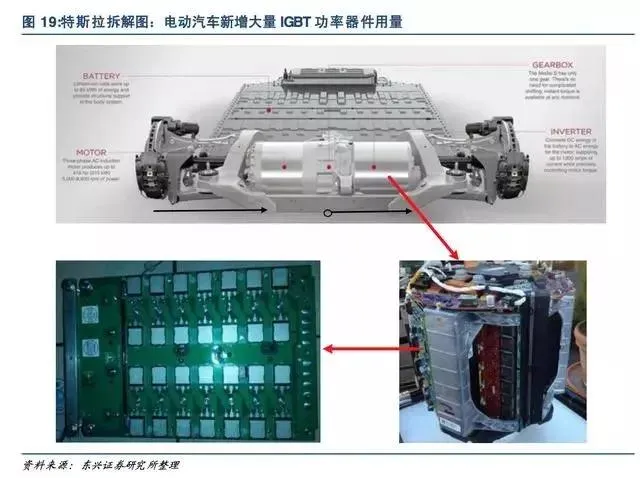
Electric vehicles add a large number of IGBT power device applications. The Tesla Model S model uses a three-phase asynchronous motor drive, in which the drive control of each phase requires 28 plastic-packaged IGBT chips, and the three phases together require 84 IGBT chips.
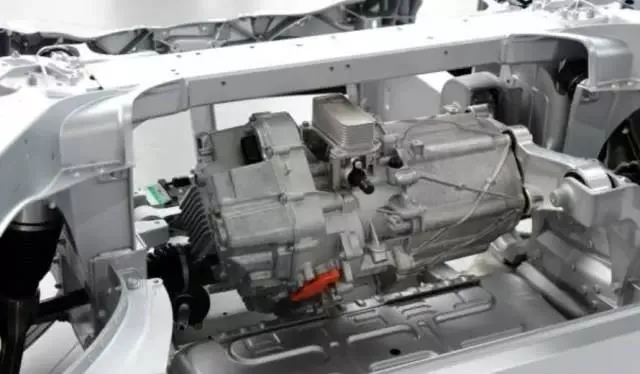
The P85D model in Models adopts an AC induction motor with a peak power of 310KW and a peak current of 1200 amperes, with relatively high performance requirements; currently only a few international giant manufacturers have production capacity.
The IGBT chips used in Tesla P85D come from International Rectifier.
Increment two: charging piles and automotive chargers add a large number of power device demands
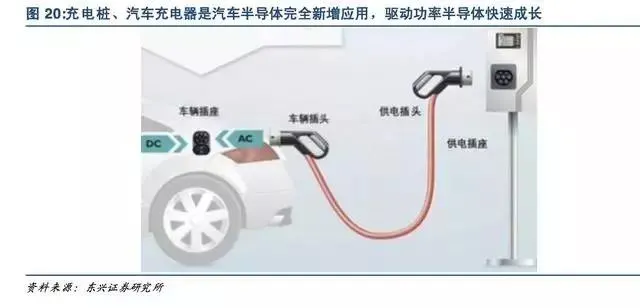
Charging piles and automotive chargers (chargeronboard, one per vehicle) are completely newly added power devices under the electrification trend and are one of the main drivers of power semiconductor growth outside the powertrain.
At this stage, the power of mainstream DC charging piles is 60kw and 120kw; if 15kw power modules are used, 4 or 8 power modules are required.
At present, there are two solutions for the power modules of charging piles: one is to use MOSFET chips, and the other is to use IGBT chips.
In addition, a vehicle is equipped with an on-board charger (chargeronboard) to manage the charging process.
Industry trend three: the import substitution rate of diodes and thyristors continues to rise, while import substitution of MOSFETs and IGBTs has just started
Huge space for import substitution
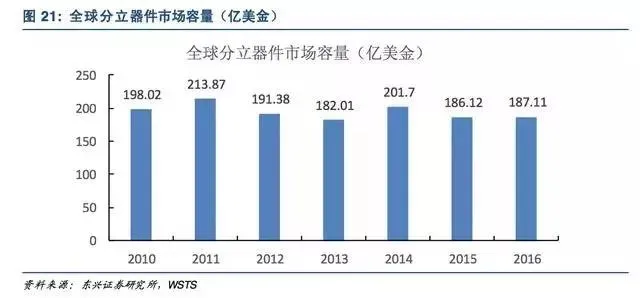
At present, the market share of domestic manufacturers is less than 1%, and the space for domestic substitution is huge. According to WSTS (World Semiconductor Trade Statistics) data, the global market capacity of power discrete devices in 2016 was USD 18.7 billion.
At present, the market share of leading power semiconductor enterprises represented by Yangjie Technology and Jiejie Microelectronics is less than 1%, and the space for import substitution is huge.
Power semiconductors' main market is in China, and the rise of domestic brand substitution rate is the general trend
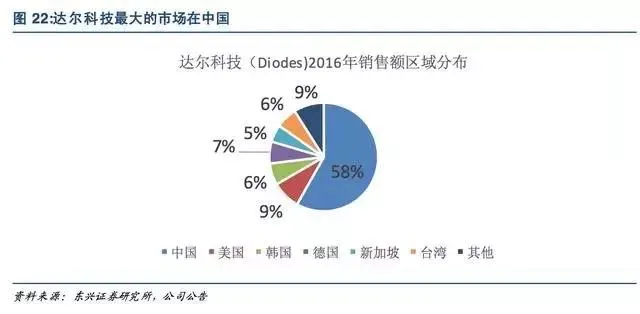
China is the largest market for power semiconductors. Domestic manufacturers are closer to downstream customers and communicate more smoothly with local customers, and can respond more quickly to customer needs.
International first-tier power diode brand manufacturer Diodes derives 58% of its revenue from China, and leading power device brand NXP derives 41% of its revenue from China.
At present, in mature product lines such as diodes and medium- and low-voltage MOSFETs, foreign manufacturers occupy most of the market share. Compared with foreign manufacturers, domestic manufacturers have competitive advantages in responding to customer needs and reducing costs, and the gradual rise of the substitution rate of domestic power device brands is the general trend.
Mainland local manufacturers lead in cost, and their profitability is far higher than overseas manufacturers
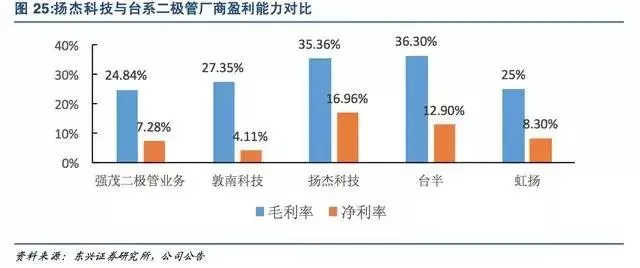
In mature product line fields, mainland manufacturers have cost advantages.
In the diode product line, the profitability of mainland leading manufacturer Yangjie Technology is far higher than that of Taiwan manufacturers.
The capacity of European and American power device manufacturers is distributed around the world. Generally speaking, front-end chip manufacturing process capacity is mainly distributed in Europe and the United States, while back-end packaging processes are mainly distributed in the Philippines, Malaysia, mainland China and other regions.
In product lines such as diodes, the regional separation of front-end and back-end processes makes overseas manufacturers respond more slowly to customer product needs, while mainland manufacturers concentrate chips, packaging and sales in a certain region and can provide customers with better technical services.
Industry trend four: the silicon carbide technology revolution will reshape the industry landscape, and domestic manufacturers are expected to overtake on a curve
Silicon carbide devices have obvious advantages and are the development direction of next-generation power semiconductors
Reviewing the development history of power semiconductors, technological progress has continuously given birth to new types of power devices. In 1957, the United States' General Electric developed the world's first thyristor, opening the prelude to the development of the power semiconductor industry.
The 1960s to 1970s were the heyday when thyristors ruled power devices; in the 1980s, thyristors and MOSFETs jointly dominated the power device market; by the 1990s, thyristors gradually gave way to MOSFETs and IGBTs, MOSFETs began to dominate the small- and medium-power application market, and IGBTs ruled medium- and high-power applications.
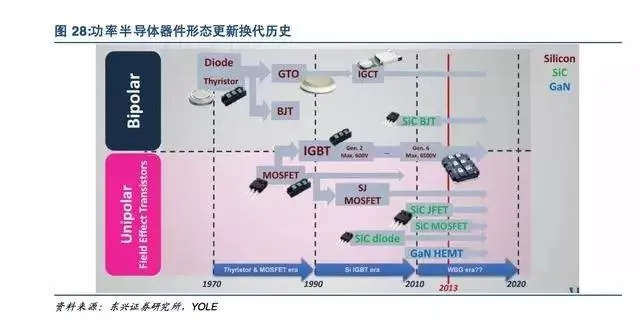
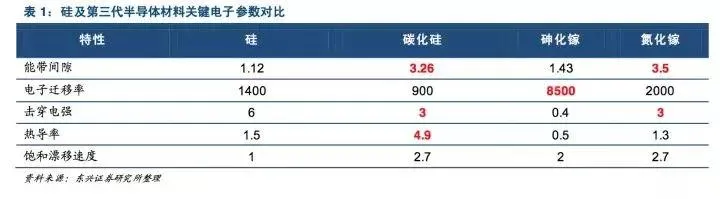
Silicon carbide and gallium nitride are the core technology directions of next-generation power semiconductors. The efficiency, power density and other performance of silicon carbide devices are far higher than current mainstream market products.
Constrained by cost factors, the market penetration rate of silicon carbide power devices is less than 1%. We judge that technological progress will drive a rapid decline in silicon carbide costs, and in the medium and long term, silicon carbide devices will be mainstream products in the power semiconductor market.
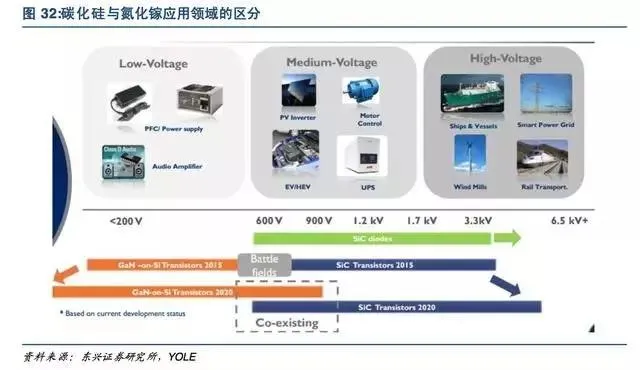
At present, silicon carbide devices are mainly used in application fields of 600 volts and above, especially applications with higher requirements for energy efficiency and space size, such as electric vehicle charging devices, electric vehicle powertrains, and photovoltaic microinverter fields.
Silicon carbide focuses on medium- and high-power, while gallium nitride focuses on small- and medium-power. Silicon carbide and gallium nitride are slightly differentiated in application fields; the advantageous application fields of silicon carbide are concentrated in medium- and high-power applications, while gallium nitride is concentrated in small- and medium-power applications.
Silicon carbide costs continue to decline, and penetration rate will continue to rise
In 2012, the cost of silicon carbide diodes was 5-7 times that of silicon-based Schottky diodes, and the cost of silicon carbide MOSFETs was 10-15 times that of silicon-based MOSFETs. After 3 years, the price of silicon carbide diodes decreased by 35%, and the price of silicon carbide MOSFETs decreased by 50%.
Power semiconductors: key national equipment, strategic investment opportunities do not wait
We believe that silicon carbide costs will continue to decline, and the main factors driving the cost decline are as follows.
(1) The process of migrating from 4-inch lines to 6-inch lines reduces costs by 20-40%.
(2) Silicon carbide epitaxial wafer technology continues to progress, and defect rates such as particle contamination continue to decline, driving a substantial increase in chip yield.
(3) With the expansion of scale and the accumulation of experience, silicon carbide chip process technology is increasingly mature, and manufacturing yield continues to improve.
At present, the cost of silicon carbide and gallium nitride products is relatively high, and application fields are limited to some fields with high performance requirements. Overall, there is a clear gap between the yield of silicon carbide devices and silicon processes.
Automotive applications will drive a rapid rise in silicon carbide penetration rate
In the automotive application field, the replacement of silicon devices by silicon carbide devices is a certain development trend. The application fields of silicon carbide power devices are continuously expanding.
In the early stage, silicon carbide was mainly used in power factor correction circuits (powerfactorcorrection circuits); at present, mass-production application fields have expanded to photovoltaic inverters and automotive on-board chargers (onboardcharger).
It is expected that in 2019-2020, electric vehicle power systems will introduce silicon carbide power devices, further broadening mass-production application fields.
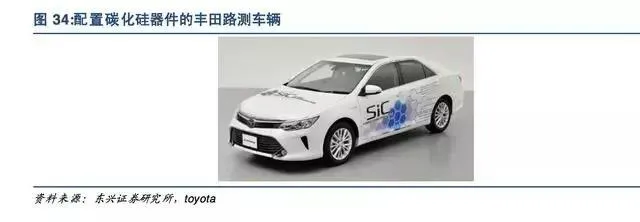
At present, Tier-1 automotive supply chain enterprises are all trying to introduce silicon carbide and actively carrying out testing work on silicon carbide power devices. Toyota launched real-vehicle testing of silicon carbide power devices in February 2015, and its road-test prototype vehicle was equipped with silicon carbide power devices in the boost converter of the PCU and the motor control inverter.
According to industry chain research information, BYD has already introduced silicon carbide power devices into electric vehicle on-board chargers (chargeronboard).
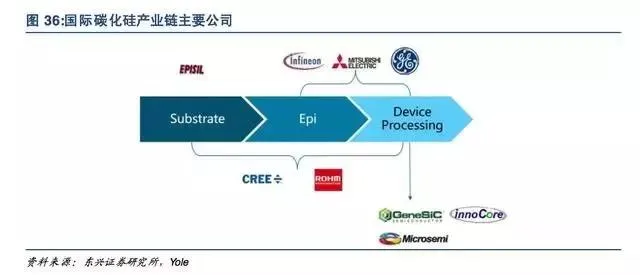
The domestic industry chain has begun to take shape. The silicon carbide industry chain can be divided into three industry links: first, upstream substrates; second, midstream epitaxial wafers; third, downstream device manufacturing.
The foreign supply chain system mainly includes:
Substrates: Cree, Rohm, EPISIL
EPI epitaxial wafers: Cree, Rohm, Infineon, GE, Mitsubishi; devices: Infineon, Cree, Rohm, STMicroelectronics, Microsemi, GenSiC, Mitsubishi
In terms of silicon carbide devices, internationally silicon carbide SBDs and silicon carbide MOSFETs have all achieved mass production, with product voltage withstand ranges of 600v-1700v and single-chip currents exceeding 50A.
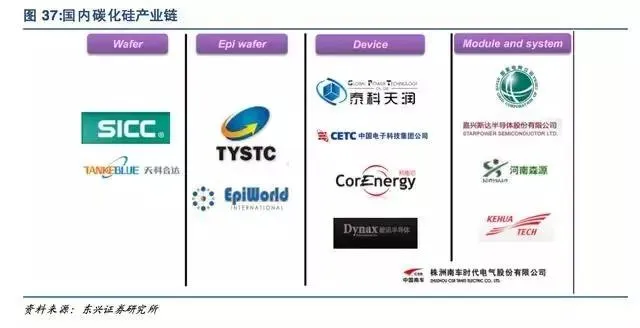
China has formed a relatively complete silicon carbide industry chain system.
Substrate materials: Shandong Tianyue, Tankeheda, Hebei Tongguang Crystal, Beijing Century Golden Light
EPI silicon wafers: Dongguan Tianyu Semiconductor, Xiamen Hantian Tiancheng
Devices: Teke Tianrun, Hanxin, Yangjie Technology, CETC 55th Institute, CETC 13th Institute, Kenengxin, CRRC Times Electric
Modules: Jiaxing Star, Henan Senyuan, Changzhou Wujin Kehua, CRRC Times Electric
At present, the silicon carbide market is in its initial stage, the gap between domestic manufacturers and traditional overseas giants is relatively small, and domestic enterprises are expected to achieve overtaking on a curve in local market applications.
Domestic enterprises have already generated sales revenue in silicon carbide SBDs, and the industrialization of silicon carbide MOSFETs is still in the prototype device development stage.